
Guides
MISO Policy Updates
Guides
Get the full breakdown, including a real MISO operating day where compliance and opportunity pulled in opposite directions.
MISO is one of the fastest-growing storage markets in the country, and its rules are still being written for batteries. Following them is one job. Operating well inside them – so the asset remains compliant, while maximizing the value it was built to create for its owner and the grid – is another.
What are MISO IMM reference levels for batteries?
Daily price benchmarks set by MISO’s Independent Market Monitor that establish a discharge floor and a charge cap for storage. They’re calculated per node from the prior seven days of prices, using the 75th percentile for discharge and the 25th for charge.
Does storage have a must-offer obligation in MISO?
Storage that clears as a Resource Adequacy resource takes on a Must-Offer Obligation covering four consecutive hours centered on MISO’s forecasted daily peak, every day of the week.
How does MISO accredit battery storage?
On availability during MISO’s highest-risk hours, measured across the prior three planning years. MISO doesn’t prescribe how to manage state of charge to be available in those hours.
What makes operating a battery in MISO complex?
MISO’s markets were built for plants that burn fuel on demand at a knowable cost. A battery has a fixed amount of energy each day, and its real cost of discharging is the better hour it gives up. Several rules bind at once, so satisfying one can put you offside another.

Guides
How storage operators maximize value inside MISO’s rules
09/11/26
Guides
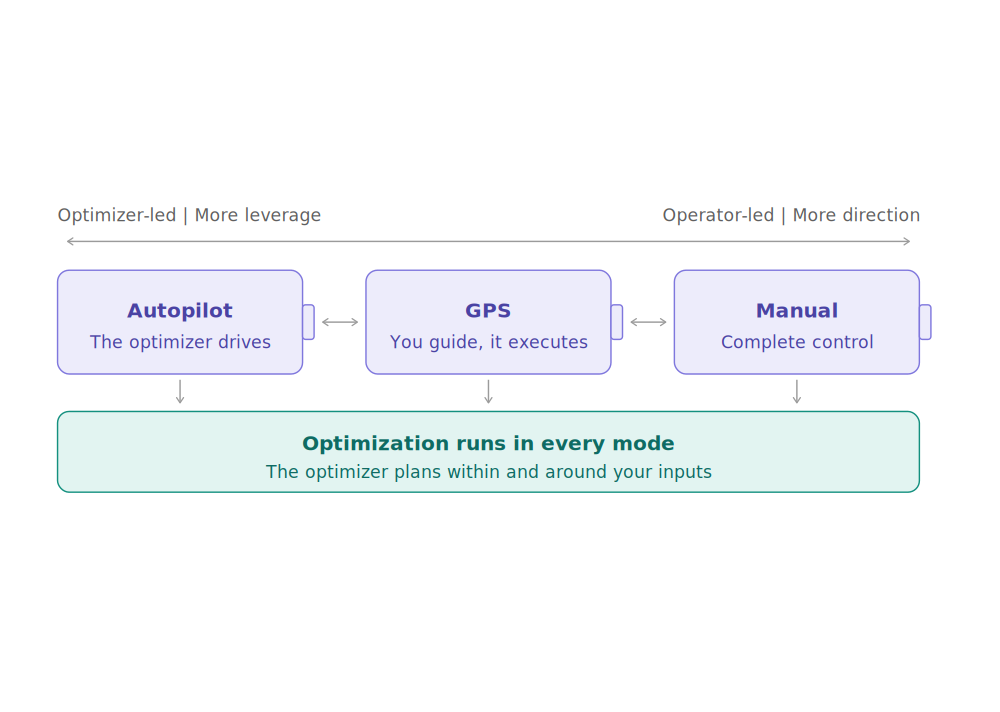
Control or optimization? Storage operators shouldn’t have to choose
08/04/26

In the news
The modern grid’s most valuable resource – energy storage.
07/10/25
Guides
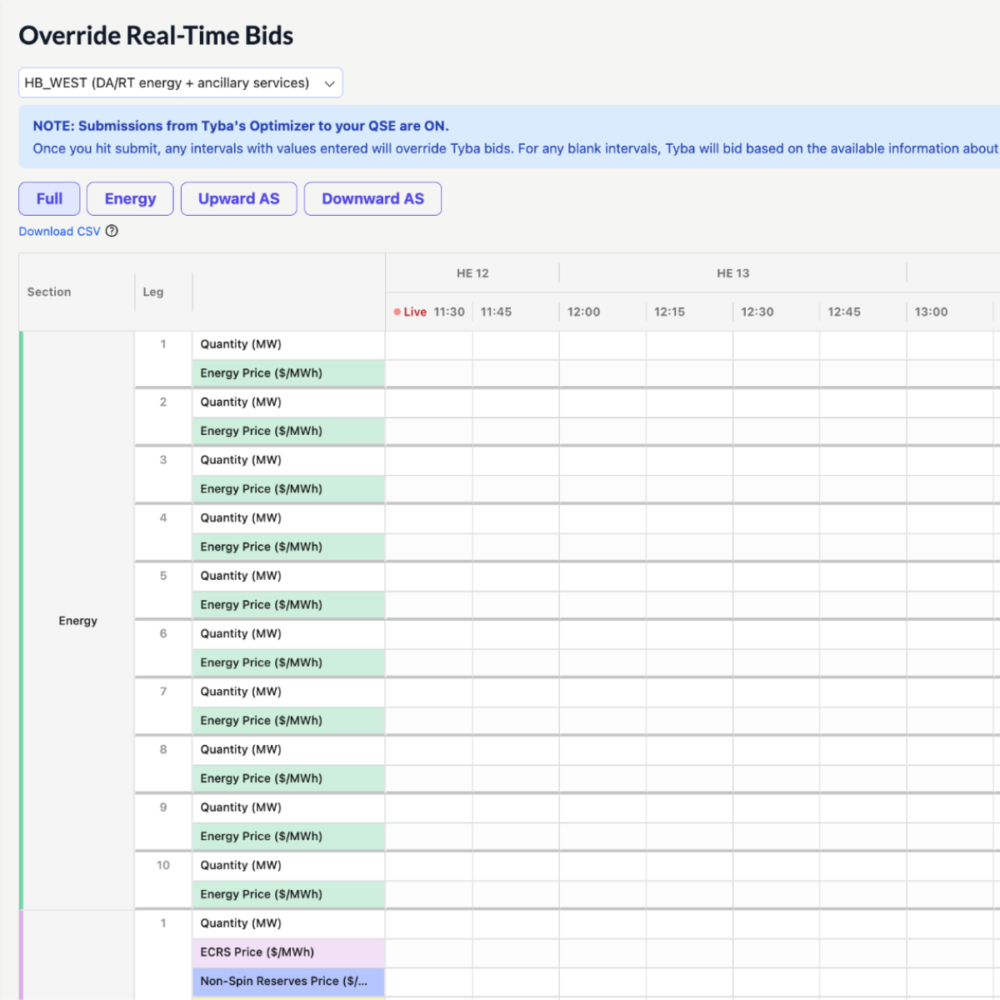
A Trader’s Guide to Controlling Storage Optimization Strategy
09/03/25
Guides
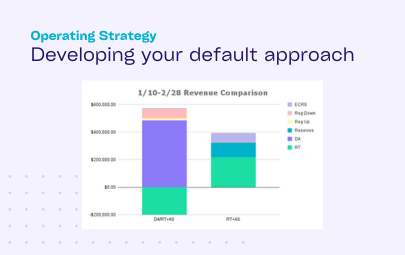
Developing your default operating approach
05/14/25
Guides
MISO Policy Updates
Guides
How storage operators maximize value inside MISO’s rules
09/11/26
Guides
Control or optimization? Storage operators shouldn’t have to choose
08/04/26
In the news
The modern grid’s most valuable resource – energy storage.
07/10/25
Guides
A Trader’s Guide to Controlling Storage Optimization Strategy
09/03/25
Guides
Developing your default operating approach
05/14/25